






Canada’s Import Regulations & HS Codes for Charcoal Products (BBQ & Industrial Use)
admin
Introduction
Canada is a highly regulated market that requires charcoal importers to comply with customs standards, safety rules and product classification. Understanding the correct HS codes, documentation and packaging requirements helps Vietnamese exporters avoid delays and ensures smooth delivery to distributors, restaurants and retail chains.
HS Codes for Charcoal Products Imported Into Canada
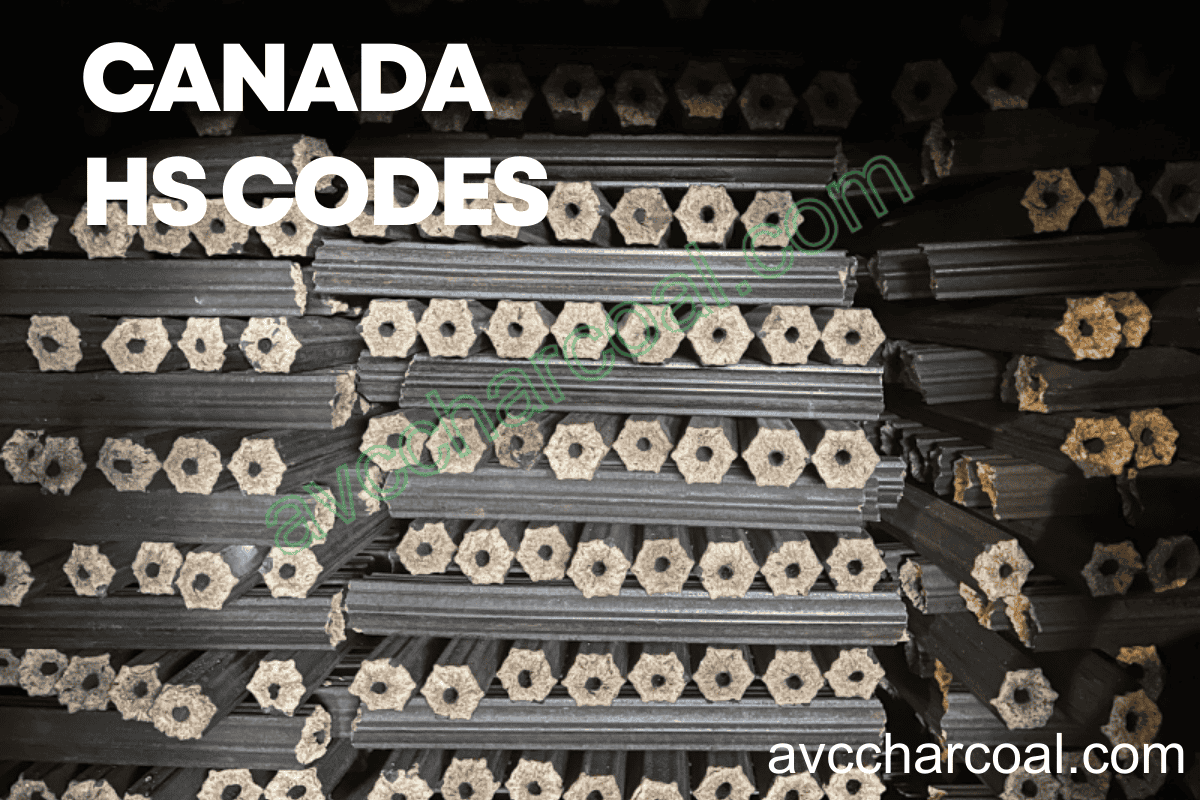
Canada classifies charcoal under the Harmonized System (HS). The most commonly used codes include:
- HS 4402 – Wood charcoal (including shell or nut charcoal)
- HS 4402.90 – Other wood charcoal, including briquette charcoal
- HS 4401 – If the product is mixed with wood residues
- HS 4402.10 – If specifically non-agglomerated (rare for briquette charcoal)
For Vietnamese briquette charcoal, Canadian buyers typically use: HS 4402.90
This classification applies to sawdust briquette charcoal, hexagonal charcoal, and molded briquette charcoal used for BBQ and food service.
Core Import Requirements
Product Declaration & Specification
Canadian customs requires a clear declaration including:
- Type of charcoal (briquette, sawdust, hexagonal)
- Wood source (e.g., acacia, mixed hardwood, rubberwood)
- Moisture level
- Packaging materials
Accurate declaration prevents container holds and customs re-inspections.
Packaging Standards
Packaging must be:
- Strong enough to withstand long-distance transport
- Properly labeled with weight (both kg and lbs is recommended)
- Free of mold, moisture or damage
Retail bags (2–10 kg) require bilingual labeling (English + French).
Moisture & Safety Requirements
Canada does not allow charcoal shipments with high moisture levels due to risk of self-heating during transit.
Most Canadian buyers set requirements such as:
- Moisture < 5%
- Ash < 10%
- No chemical additives
- No explosive popping during burning
Pest and Environmental Rules
Charcoal is generally exempt from phytosanitary certificates because it is considered a processed product.
However, shipments may still be inspected to ensure:
- No raw wood pieces
- No infestation
- No contamination with soil or plant materials
Customs Clearance Process
Once the container arrives:
- Documents are checked (Bill of Lading, Invoice, Packing List).
- HS code verification is performed.
- Random inspection may occur based on risk level.
- Duties and taxes assessed based on declared value.
Proper documentation significantly shortens clearance time.
Why Regulations Matter for Vietnamese Suppliers
Compliance with Canada’s system helps Vietnamese exporters:
- Avoid delays and storage charges
- Build trust with importers
- Maintain smooth supply for BBQ season
- Ensure consistency for supermarket and distributor buyers
Understanding HS codes and shipment rules is essential for anyone targeting Canada as a long-term market.
Visit our factory: Factory pictures
For more updates and articles, visit: Featured News
You might want to learn more about our products here: Hexagonal Sawdust Briquette Charcoal
You may want to see other related news: Why Canadian Buyers Choose Vietnamese Briquette Charcoal
Related news

The Mission of AVC Charcoal Bring Green to the World
The Mission of AVC Charcoal: Bring Green to the World As the world moves toward a more sustainable future, businesses have an important role to play in reducing environmental impact and...
Read more
How to Light sawdust Briquette Charcoal for BBQ
How to Light AVC Sawdust Briquette Charcoal for BBQ Lighting sawdust briquette charcoal properly is the first step to achieving steady heat and a clean BBQ experience. AVC sawdust briquette charcoal...
Read more
How to Control Heat When Using Briquette Charcoal for BBQ
How to Control Heat When Using Briquette Charcoal for BBQ Controlling heat is essential for a successful BBQ. When using briquette charcoal, maintaining the right temperature helps food cook evenly, stay...
Read more
How Long Does Briquette Charcoal Take to Fully Ignite?
How Long Does Briquette Charcoal Take to Fully Ignite? Briquette charcoal is a popular fuel for BBQs because it burns steadily, produces consistent heat, and can provide a long-lasting cooking temperature....
Read more
How to Choose a Reliable Charcoal Supplier in Vietnam (2026 Guide)
How to Choose a Reliable Charcoal Supplier in Vietnam (2026 Guide) Finding a reliable charcoal supplier in Vietnam can be challenging, especially for importers who are sourcing from overseas. While Vietnam...
Read more

