








How Packaging Quality Affects Charcoal Export Success
admin
Packaging plays a critical role in the success of charcoal exports, especially for sawdust briquette charcoal, smokeless BBQ charcoal, coconut shell charcoal, and hardwood lump charcoal. Even if the product is high-quality, poor packaging can lead to breakage, moisture absorption, customer complaints, and financial loss.
This article explains why packaging quality is one of the most important factors in exporting charcoal and what buyers should look for when choosing the right packaging solution.
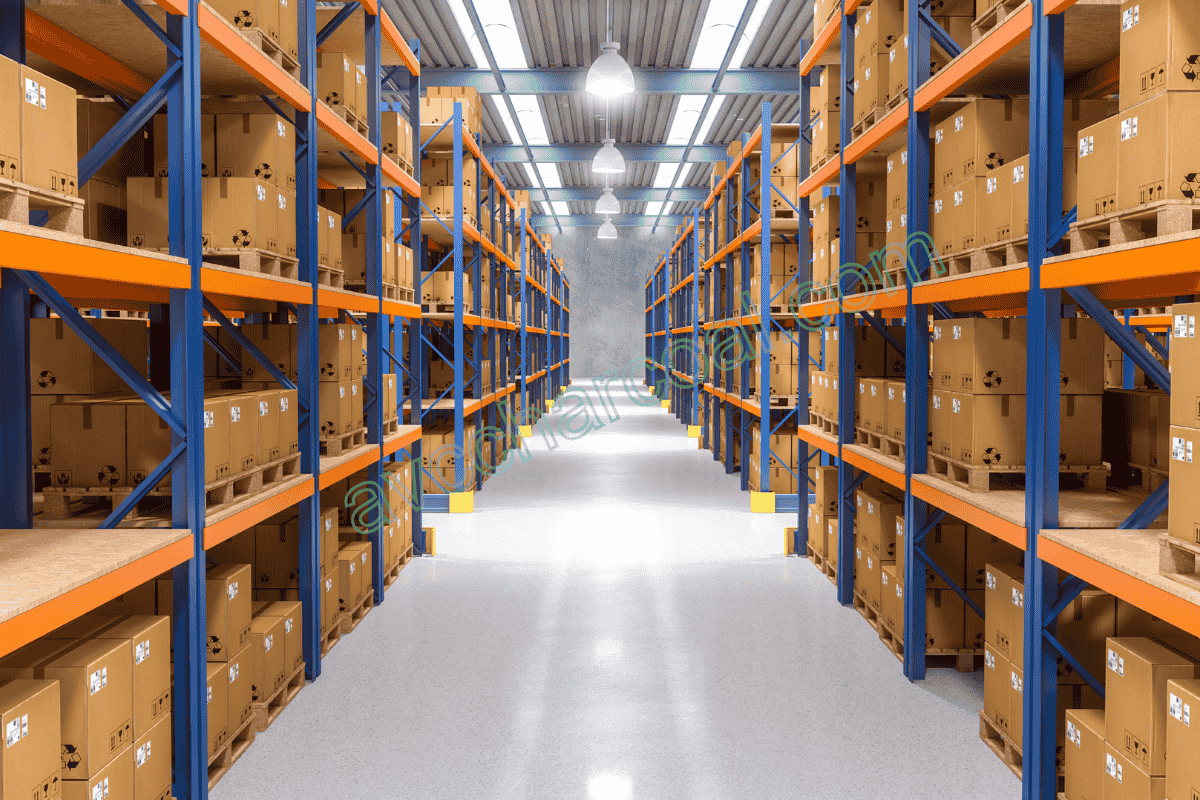
1. Packaging Protects Charcoal From Moisture During Shipping
Moisture is the biggest threat to charcoal performance.
Low-quality packaging can allow humidity to enter, causing:
- Mold
- Smoke during burning
- Higher ash levels
- Lower heat value
- Container sweating
For long-distance shipping routes (Europe, Middle East, South America), moisture-resistant packaging is essential.
2. Strong Packaging Reduces Briquette Breakage
Briquette charcoal—especially square and coconut briquettes—can crack easily if packaging is too thin. Breakage results in:
- Excess charcoal powder
- Lower usability
- Customer dissatisfaction
- Difficulty reselling in retail stores
High-quality packaging prevents internal movement and protects product integrity.
3. Different Charcoal Types Require Different Packaging Strength
Sawdust Briquette Charcoal
- Best with thick carton boxes
- Can use PP bags for bulk
- Should be palletized for premium markets
Hardwood Lump Charcoal
- Heavy and irregular pieces
- Requires strong woven PP bags
- Needs tight packing to reduce movement
Coconut Shell Briquette Charcoal
- Fragile edges
- Should be packed in sealed inner bags
- Often placed in small cartons (1–5 kg) for retail or shisha markets
Bamboo Charcoal
- Lightweight, can crack easily
- Requires cushioning and firm stacking
4. Inner Plastic Lining Prevents Humidity Absorption
For markets with high humidity or long voyages, an inner plastic lining provides:
- Better moisture protection
- Longer shelf life
- Cleaner storage conditions
- Improved customer confidence
Factories exporting premium briquette charcoal always use double-layer protection.
5. Palletizing Improves Safety and Professionalism
Palletized containers provide:
- Easier loading and unloading
- Reduced breakage
- Lower risk of crushing
- Better airflow inside the container
Many buyers in Europe and Korea now require pallet loading as standard.
6. High-Quality Packaging Enhances Branding
For retail markets, strong and well-designed packaging helps with:
- Shelf appeal
- Customer trust
- Brand recognition
- Professional presentation
Retailers prefer charcoal that arrives clean, well-packed, and ready for display.
7. Cost of Packaging vs. Cost of Customer Complaints
Cheap packaging may save a small amount upfront but often leads to:
- High breakage rates
- Damaged boxes
- Complaints from buyers
- Loss of reputation
- Refunds or discounts
The cost of good packaging is far lower than the cost of dealing with product issues.
You might want to study more about: Charcoal Market Overview in UAE 2026: Trends, Demand & Import Opportunities
Conclusion
Packaging quality directly affects the success of charcoal exports. From protecting against moisture to preventing breakage and improving brand value, proper packaging is essential for maintaining product quality during long international shipments. Buyers should always choose suppliers who invest in strong, moisture-resistant, export-grade packaging for briquette charcoal, lump charcoal, and coconut briquette charcoal.
Related news

The Mission of AVC Charcoal Bring Green to the World
The Mission of AVC Charcoal: Bring Green to the World As the world moves toward a more sustainable future, businesses have an important role to play in reducing environmental impact and...
Read more
How to Light sawdust Briquette Charcoal for BBQ
How to Light AVC Sawdust Briquette Charcoal for BBQ Lighting sawdust briquette charcoal properly is the first step to achieving steady heat and a clean BBQ experience. AVC sawdust briquette charcoal...
Read more
How to Control Heat When Using Briquette Charcoal for BBQ
How to Control Heat When Using Briquette Charcoal for BBQ Controlling heat is essential for a successful BBQ. When using briquette charcoal, maintaining the right temperature helps food cook evenly, stay...
Read more
How Long Does Briquette Charcoal Take to Fully Ignite?
How Long Does Briquette Charcoal Take to Fully Ignite? Briquette charcoal is a popular fuel for BBQs because it burns steadily, produces consistent heat, and can provide a long-lasting cooking temperature....
Read more
How to Choose a Reliable Charcoal Supplier in Vietnam (2026 Guide)
How to Choose a Reliable Charcoal Supplier in Vietnam (2026 Guide) Finding a reliable charcoal supplier in Vietnam can be challenging, especially for importers who are sourcing from overseas. While Vietnam...
Read more

