





Japan Charcoal Import Compliance: Essential Requirements, HS Codes, and Phytosanitary Rules
admin
Introduction: Mastering the Gateways to Japan
Japan maintains some of the world’s most stringent import regulations, particularly concerning wood products.1 For charcoal exporters, compliance is not merely bureaucratic formality; it is a critical measure to protect Japan's environment and ensure consumer safety. Understanding the correct commodity classification (HS Codes) and navigating the detailed quality and phytosanitary requirements are essential for Vietnamese suppliers aiming for long-term reliability in the high-value Japanese market.
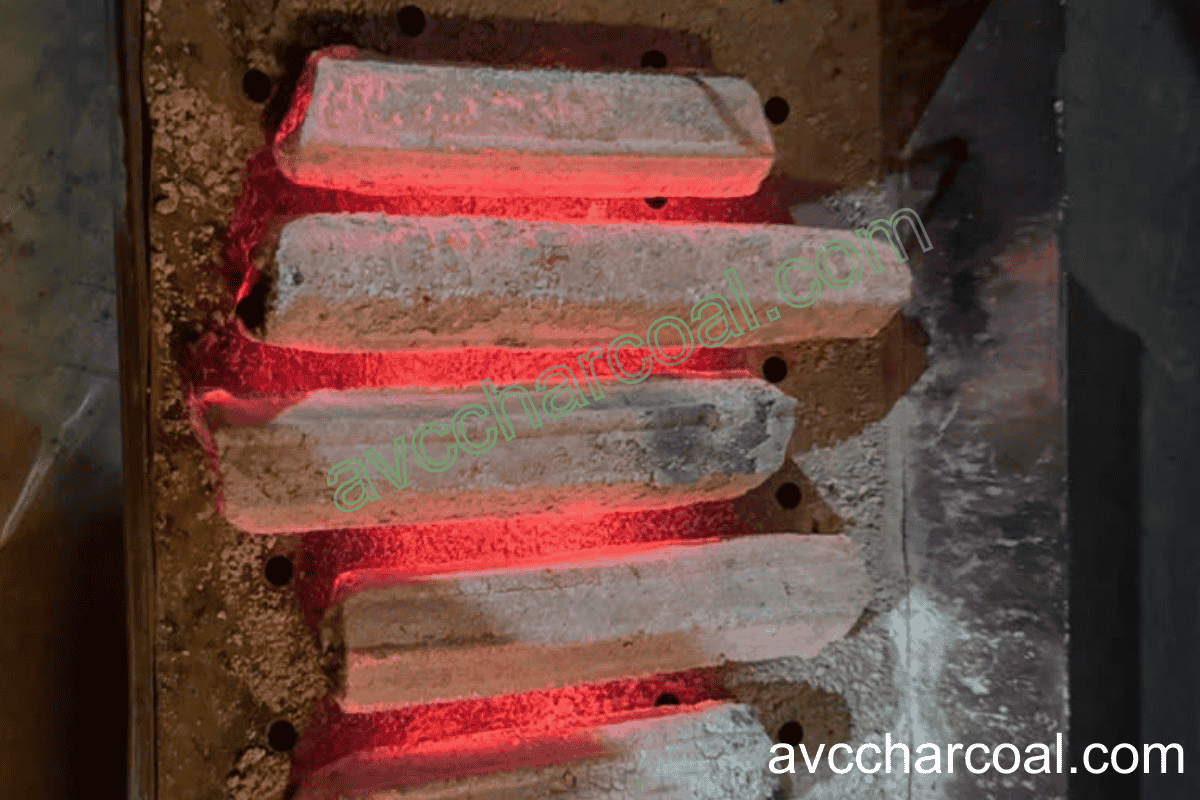
Product Classification: Relevant HS Codes
Accurate declaration using the Harmonized System (HS) Codes is mandatory for calculating duties, taxes, and determining applicable regulations.2 Japanese customs meticulously inspect documentation to ensure correct classification.
Key Charcoal HS Codes for Japanese Imports:
|
HS Code |
Product Description |
Notes |
|
4402.90 |
Wood charcoal including shell or nut charcoal, other than bamboo charcoal. |
Most common code for lump and briquette charcoal (BBQ/Shisha). |
|
4402.10 |
Bamboo charcoal. |
Used for specific bamboo-based products, often marketed for deodorizing. |
|
3801.20.00 |
Activated Carbon. |
Reserved for highly processed forms used in industrial filtration (not fuel). |
Exporters must confirm the 6-digit or 8-digit HS Code with their Japanese import broker to ensure consistency with the customs tariff system, particularly when dealing with specialized sawdust briquettes or coconut shell products.
Mandatory Quality and Phytosanitary Requirements
Japan's strict import rules emphasize preventing pest contamination and guaranteeing product safety.
Phytosanitary Certification:
Since charcoal is a carbonized wood product, it generally poses a lower risk than raw wood. However, charcoal, particularly lump charcoal, must be fully carbonized and properly handled to ensure it is free from foreign insects, fungi, or live organisms. A Phytosanitary Certificate may be required depending on the type and origin of the wood, and the degree of carbonization must be verifiable.
Moisture and Flammability:
High moisture content can lead to unstable burning and quality degradation.3 Japanese quality standards strictly limit moisture. The product must be completely stable and safe during shipment, adhering to international regulations for flammability.
Labeling and Packaging Standards
Packaging must meet Japanese consumer expectations for cleanliness and clarity.
- Material and Origin Declaration: Clear declaration of the wood/material source (e.g., Sawdust from XYZ species) and the Country of Origin (Vietnam) is mandatory and heavily scrutinized.
- Weights and Measures: Labeling must use the metric system and be accurate.
- Language: While English is acceptable for commercial documents, final consumer packaging often requires Japanese translation for safety and usage instructions.
Import Documentation Essentials
Compliance relies on meticulous documentation for smooth entry into ports like Tokyo, Osaka, and Kobe.
- Commercial Invoice.
- Packing List.
- Certificate of Origin issued by a competent authority in Vietnam.
- Bill of Lading or Air Waybill.
- Quality and Inspection Certificate (may include test results for carbon/ash content).
- Fumigation Certificate (if required based on wood type/packaging).
You might want to study more about: Vietnamese Sawdust Briquettes: Why They Are the Top Choice for Japanese Yakiniku and Yakitori
Conclusion: Precision is the Price of Entry
For charcoal exporters, the Japanese market rewards precision. Success is built on delivering not only high-performance charcoal but also flawless adherence to the strict documentation protocols, especially concerning phytosanitary checks and accurate HS classification. Companies like avccharcoal.com must integrate these rigorous standards into their core export strategy to maintain a competitive advantage.
Related news

The Mission of AVC Charcoal Bring Green to the World
The Mission of AVC Charcoal: Bring Green to the World As the world moves toward a more sustainable future, businesses have an important role to play in reducing environmental impact and...
Read more
How to Light sawdust Briquette Charcoal for BBQ
How to Light AVC Sawdust Briquette Charcoal for BBQ Lighting sawdust briquette charcoal properly is the first step to achieving steady heat and a clean BBQ experience. AVC sawdust briquette charcoal...
Read more
How to Control Heat When Using Briquette Charcoal for BBQ
How to Control Heat When Using Briquette Charcoal for BBQ Controlling heat is essential for a successful BBQ. When using briquette charcoal, maintaining the right temperature helps food cook evenly, stay...
Read more
How Long Does Briquette Charcoal Take to Fully Ignite?
How Long Does Briquette Charcoal Take to Fully Ignite? Briquette charcoal is a popular fuel for BBQs because it burns steadily, produces consistent heat, and can provide a long-lasting cooking temperature....
Read more
How to Choose a Reliable Charcoal Supplier in Vietnam (2026 Guide)
How to Choose a Reliable Charcoal Supplier in Vietnam (2026 Guide) Finding a reliable charcoal supplier in Vietnam can be challenging, especially for importers who are sourcing from overseas. While Vietnam...
Read more

