




Japan Charcoal Market Overview 2026: Analyzing High-End Demand, Import Trends, and the Role of Bincho-tan
admin
Introduction: The Unique Landscape of the Japanese Charcoal Market
The Japanese charcoal market is globally renowned for its high quality standards, traditional usage, and clear segmentation between premium domestic products and high-volume imports. By 2026, the market continues to be shaped by the revival of traditional dining, the stringent demands of the Yakiniku and Yakitori sectors, and a constant need for specialized, clean-burning charcoal. For international suppliers, Japan represents a high-value, albeit challenging, destination requiring certified quality and reliability.
Demand Drivers: Tradition Meets Modern Dining
Unlike the UAE where shisha drives demand, consumption in Japan is deeply rooted in culinary tradition and environmental awareness.
Premium HORECA Sector:
· Yakiniku and Yakitori: These high-end grilling styles demand charcoal that produces intense, odorless heat and a clean burn, essential for delicate meats and poultry. This drives significant demand for imported hardwood lump charcoal and specialized sawdust briquettes.
· Bincho-tan Influence: The prestige of domestic Bincho-tan—known for its ultra-high heat and long life—sets the benchmark for quality, indirectly pushing imported alternatives to meet similar performance metrics.
Environmental Consciousness: Japanese consumers prioritize sustainability. Imported charcoal must increasingly demonstrate sustainable sourcing and environmental certifications to gain acceptance, a major opportunity for suppliers of coconut shell and bamboo charcoal.
Market Segmentation and Key Product Trends
The Japanese market is distinctly bifurcated: domestic super-premium and imported volume.
1. Imported Hardwood Lump Charcoal: This category remains the largest volume import. It must be consistent in size, dry, and free from sparks or excessive smoke, catering to the mid-to-high-end restaurant market seeking high calorific value.
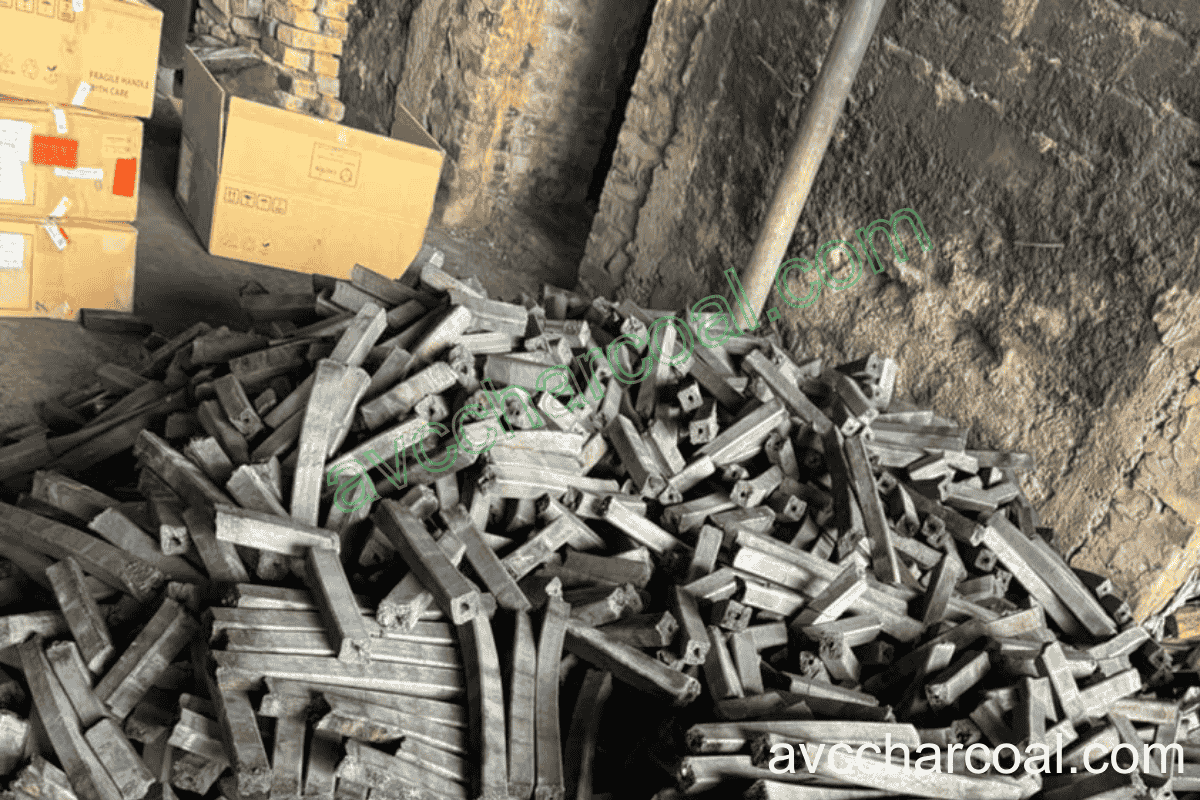
2. Sawdust Briquette Charcoal Ogalite: Often referred to as Ogalite in Japan, this product is highly popular due to its uniformity, stability, and long burn time. Its consistent shape and quality make it a preferred, predictable choice over traditional lump charcoal for many industrial and commercial users. Suppliers, particularly from Vietnam and Indonesia, dominate this segment.
3. Coconut Shell Charcoal: Used increasingly for its clean-burning properties, low ash, and environmentally friendly origin. While not traditionally used for Yakitori, its applications are expanding in casual dining and household grilling.
Import Requirements and Trade Insights for 2026
Japan maintains one of the world's strictest import regimes, focusing heavily on safety and environmental compliance.
Quarantine and Quality Control: The presence of foreign wood species, pests, or excessive moisture is strictly monitored. Shipments must be accompanied by accurate documentation and often undergo inspection to prevent the introduction of foreign insects. Suppliers must ensure charcoal is properly carbonized and dehumidified before export.
Labeling and Packaging: Packaging must be high-quality, clearly indicating the Country of Origin and the type of wood/material used. False labeling regarding material type or origin is met with severe penalties.
Supply Chain Dynamics: Despite high internal standards, Japan remains highly dependent on imports from Southeast Asia and China due to labor costs and restrictions on domestic forestry. Reliable and consistent supply at competitive CFR rates is critical for long-term partnerships with major Japanese trading houses.
You might want to study more about: UAE Charcoal Price Trends 2020-2026: Import Cost Analysis & Forecast
Conclusion: High Standards, High Potential
The Japanese charcoal market in 2026 offers high potential for exporters like avccharcoal.com that can meet its rigorous demands. Success hinges on delivering certified, clean-burning charcoal—be it stable sawdust briquettes or high-performance hardwood—supported by transparent and dependable import documentation. The market pays a premium for proven quality and consistency.
Related news

The Mission of AVC Charcoal Bring Green to the World
The Mission of AVC Charcoal: Bring Green to the World As the world moves toward a more sustainable future, businesses have an important role to play in reducing environmental impact and...
Read more
How to Light sawdust Briquette Charcoal for BBQ
How to Light AVC Sawdust Briquette Charcoal for BBQ Lighting sawdust briquette charcoal properly is the first step to achieving steady heat and a clean BBQ experience. AVC sawdust briquette charcoal...
Read more
How to Control Heat When Using Briquette Charcoal for BBQ
How to Control Heat When Using Briquette Charcoal for BBQ Controlling heat is essential for a successful BBQ. When using briquette charcoal, maintaining the right temperature helps food cook evenly, stay...
Read more
How Long Does Briquette Charcoal Take to Fully Ignite?
How Long Does Briquette Charcoal Take to Fully Ignite? Briquette charcoal is a popular fuel for BBQs because it burns steadily, produces consistent heat, and can provide a long-lasting cooking temperature....
Read more
How to Choose a Reliable Charcoal Supplier in Vietnam (2026 Guide)
How to Choose a Reliable Charcoal Supplier in Vietnam (2026 Guide) Finding a reliable charcoal supplier in Vietnam can be challenging, especially for importers who are sourcing from overseas. While Vietnam...
Read more

