






Optimal Fuel: Best Charcoal Types for Korean BBQ (Gogi-gui) Restaurants
admin
Introduction: The Non-Negotiable Requirements of Gogi-gui
Korean BBQ (Gogi-gui) is a high-heat, fast-searing style of cooking that is central to South Korea's dining culture. For restaurants, the choice of charcoal is not secondary; it is the core determinant of the dish's flavor, the dining environment's comfort, and operational efficiency. The optimal charcoal for Gogi-gui must deliver intense, controllable heat while maintaining a clean, smokeless burn suitable for the indoor, communal grilling typical in South Korea.
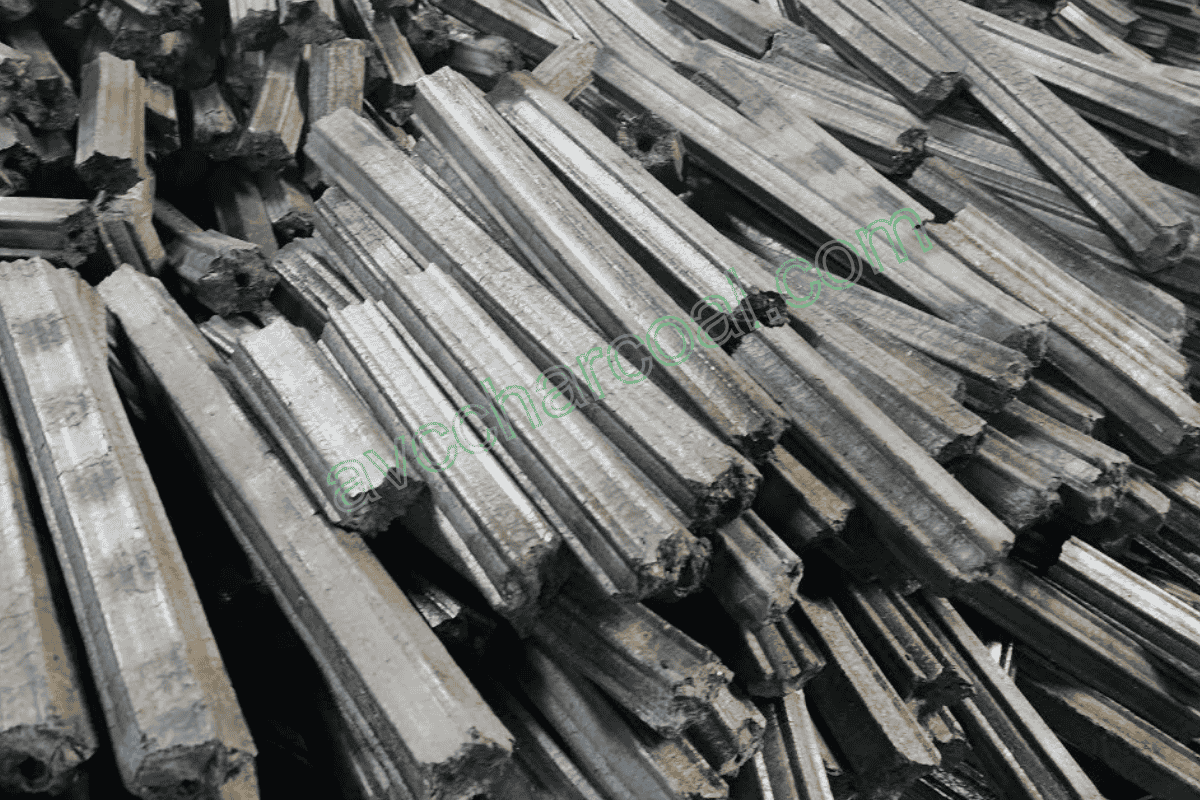
Top Contender 1: High-Density Sawdust Briquette Charcoal
Vietnamese and Indonesian sawdust briquettes are rapidly becoming the preferred fuel source for commercial Korean BBQ operations due to their predictability and cost-effectiveness.
Superior Heat Consistency: Briquettes are uniform in size and density, which guarantees a highly stable, consistent temperature across the grill. This is essential for the "one-flip rule" used by many chefs to sear meats like Galbi and Samgyeopsal perfectly without overcooking. Clean and Odorless Burn: Professional kitchens require minimal smoke to ensure proper ventilation and comfort for diners. High-quality sawdust briquettes are meticulously carbonized, leading to an extremely low volatile matter content. This results in a clean, neutral burn that allows the complex marinades of Korean BBQ to shine through, without any chemical taste. Extended Burn Time: The high fixed carbon and dense compression of these briquettes ensure a longer burn time, reducing the need for constant refilling during peak service hours and lowering labor costs.
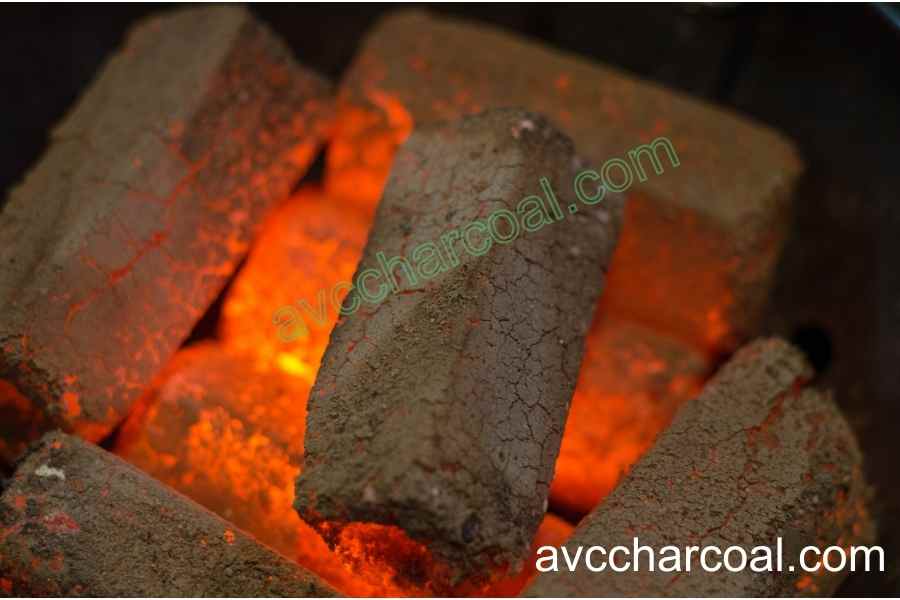
Top Contender 2: Premium Hardwood Lump Charcoal
While briquettes dominate the bulk commercial sector, high-quality lump charcoal remains a popular choice in certain mid-to-high-end establishments seeking a more natural fuel source.
Authentic Flavor: Lump charcoal, especially from dense hardwoods like Acacia or Longan, imparts a subtle, desirable smoky flavor that some chefs prefer to enhance the traditional taste of the meat. High Initial Sear: Lump charcoal often burns hotter initially than briquettes, making it ideal for the rapid, high-heat searing phase of Gogi-gui cuts like beef brisket. The Quality Caveat: Only fully carbonized, dense lump charcoal is acceptable. Korean buyers strictly reject products that spark excessively or contain high amounts of moisture and foreign matter, which can ruin the dining experience and pose a safety risk.
The Influence of White Charcoal (Binchōtan)
Imported white charcoal, particularly from Japan or specialized Southeast Asian producers, is sometimes used in ultra-premium Korean BBQ restaurants. While prohibitively expensive for most, its performance sets the standard: it is reusable, burns exceptionally clean, and maintains an extremely high temperature for long periods. This benchmark pushes all imported alternatives, particularly sawdust briquettes, to meet the highest possible performance metrics.
Conclusion: Efficiency and Purity Win
For Korean BBQ restaurants, the ideal charcoal is one that balances high performance with high operational efficiency. High-density Vietnamese sawdust briquettes excel in this balance, offering the requisite clean, stable, and long-lasting heat needed for consistent Gogi-gui results. Exporters like avccharcoal.com who provide this combination of certified quality and commercial reliability are the most successful suppliers in the South Korean HORECA market.
You might want to study more about: South Korea Charcoal Import Compliance: HS Codes, Regulations, and Quality Certification
You might want to study more about product: hexagonal sawdust briquette charcoal
Related news

The Mission of AVC Charcoal Bring Green to the World
The Mission of AVC Charcoal: Bring Green to the World As the world moves toward a more sustainable future, businesses have an important role to play in reducing environmental impact and...
Read more
How to Light sawdust Briquette Charcoal for BBQ
How to Light AVC Sawdust Briquette Charcoal for BBQ Lighting sawdust briquette charcoal properly is the first step to achieving steady heat and a clean BBQ experience. AVC sawdust briquette charcoal...
Read more
How to Control Heat When Using Briquette Charcoal for BBQ
How to Control Heat When Using Briquette Charcoal for BBQ Controlling heat is essential for a successful BBQ. When using briquette charcoal, maintaining the right temperature helps food cook evenly, stay...
Read more
How Long Does Briquette Charcoal Take to Fully Ignite?
How Long Does Briquette Charcoal Take to Fully Ignite? Briquette charcoal is a popular fuel for BBQs because it burns steadily, produces consistent heat, and can provide a long-lasting cooking temperature....
Read more
How to Choose a Reliable Charcoal Supplier in Vietnam (2026 Guide)
How to Choose a Reliable Charcoal Supplier in Vietnam (2026 Guide) Finding a reliable charcoal supplier in Vietnam can be challenging, especially for importers who are sourcing from overseas. While Vietnam...
Read more

